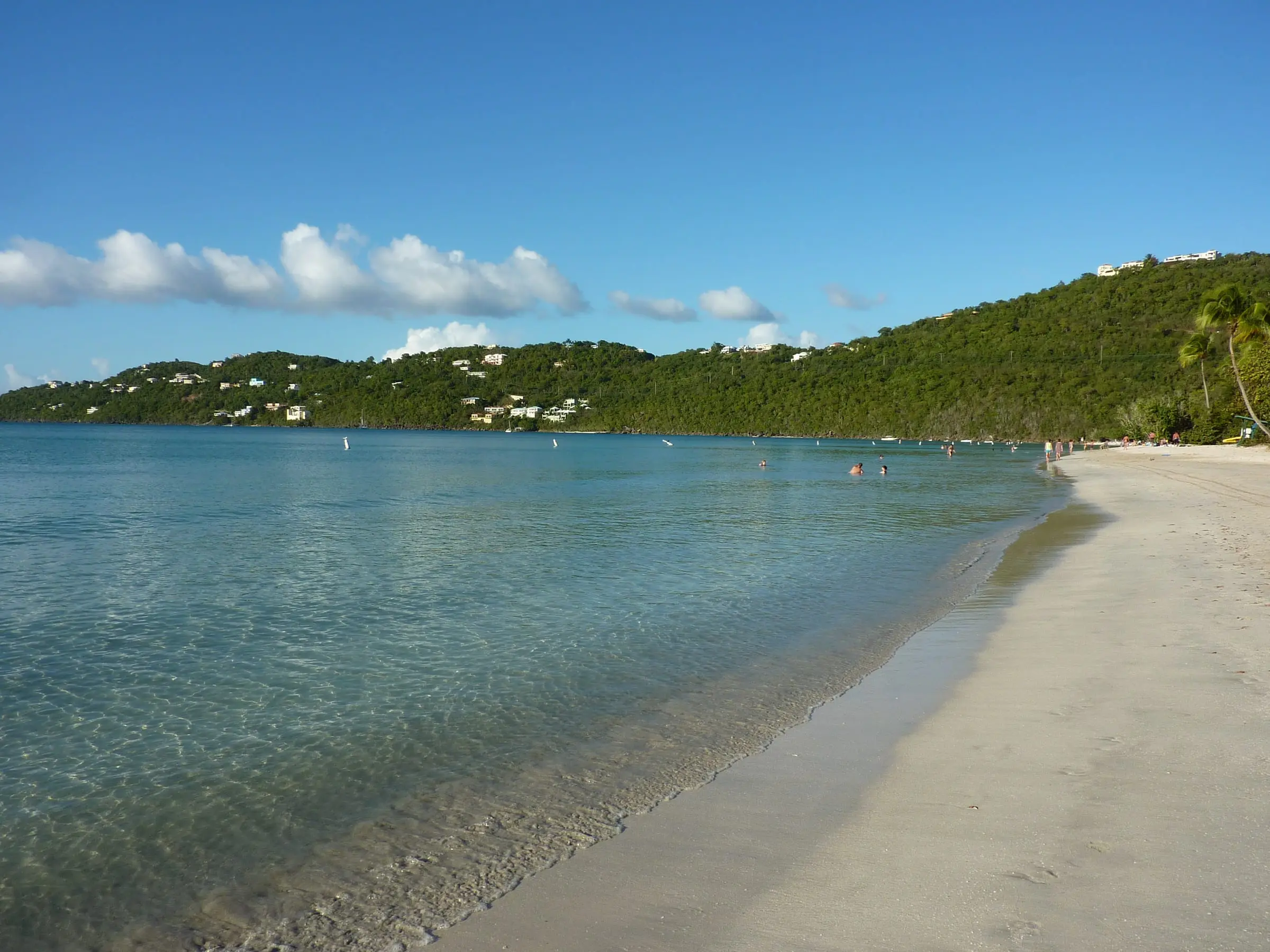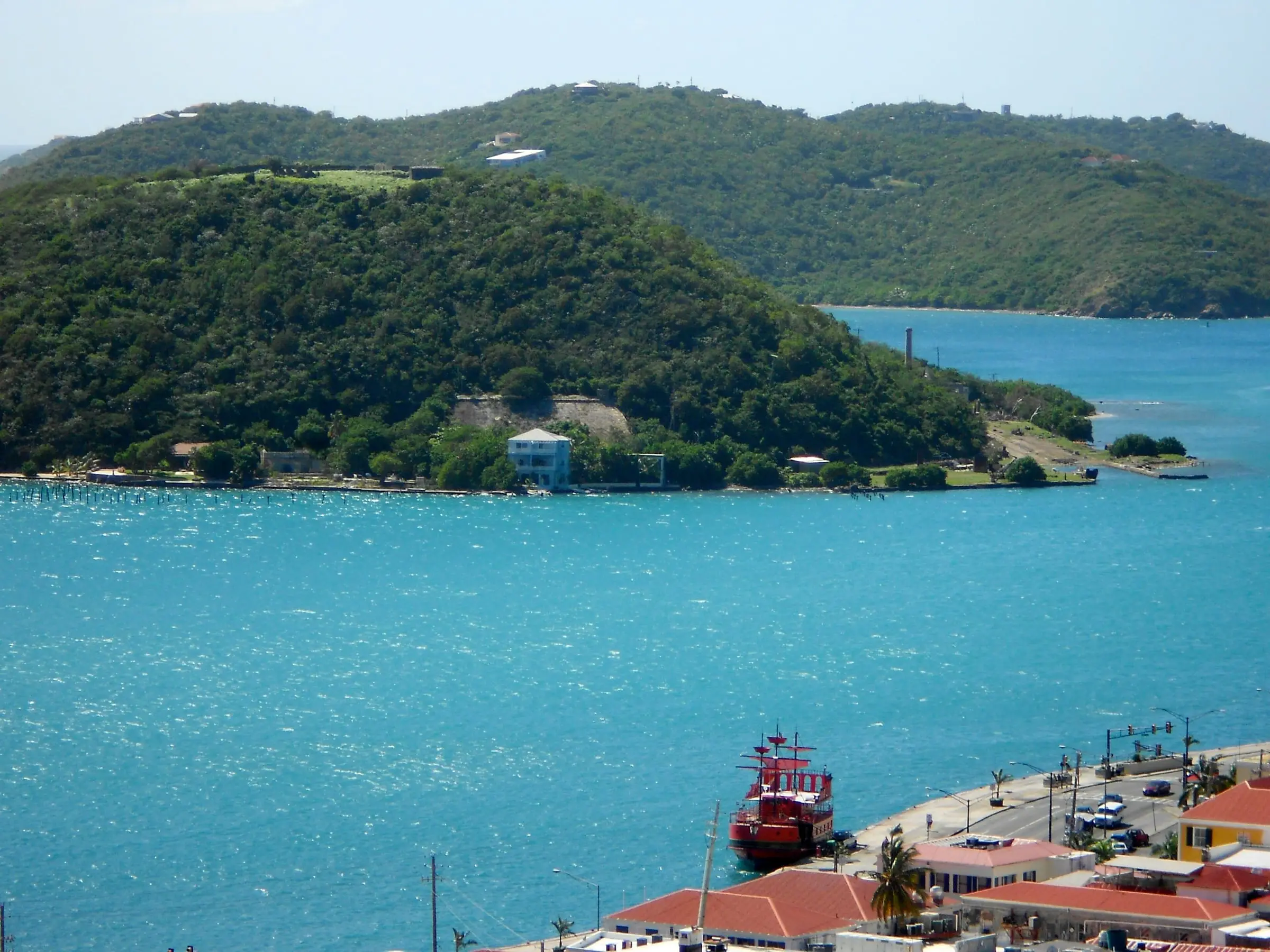
Buying Property in St. Croix: A Buyer's Guide
How buying on St. Croix works: land, homes and condos, the survey, title, flood, water and permit checks that matter, insurance, and the licensed professionals to involve.
Buying, St. CroixBy USVI Realty Editorial TeamUpdated October 28, 20268 minute read
This guide walks through what to research before you buy property on St. Croix, with a source for each fact. It is general information, not legal, tax or investment advice. USVI Realty is not a real estate brokerage, so for any specific property, work with the licensed professionals described at the end of this guide.
Land, homes or condos
Start with what kind of property fits your plans and budget.
Estimate as of October 2026. The latest full count, the 2020 Census, put the median value of owner-occupied homes on St. Croix at $247,090. Value is the owner’s own estimate of what the property would sell for, not a sale price. About 38 percent of owners valued their homes under $200,000, 28 percent from $200,000 to $299,999, and 35 percent at $300,000 or more, including 12 percent at $500,000 or more. For current figures, ask a licensed agent or appraiser.
Land
Land on St. Croix is described by estate, often with a plot number, as in the “Plot No. 40E of La Grange” cited in DPNR’s Frederiksted Historic District boundary. Estate boundaries are primarily those of the plantations that existed when Denmark transferred the islands to the United States in 1917, according to Census Bureau metadata.
Before you buy a lot, find out:
- How the lot is reached, and whether any access depends on an easement.
- Whether WAPA power and water lines reach it.
- How a house there would collect and store water and treat wastewater.
- How the parcel is zoned and which permits a house would need.
- Whether it is in Tier 1, the coastal zone, where DPNR’s Coastal Zone Management program reviews all proposed development. CZM applications include major and minor land and water permits.
DPNR’s Division of Permits enforces building codes. It lists the 2024 International Residential Code and International Building Code, the 2023 National Electrical Code and the 2024 Uniform Plumbing Code. Its permit FAQ says an approved permit must be issued within 100 calendar days of approval, work must begin within 180 days of issuance, and only one extension, of 360 days, is allowed.
Estimate as of October 2026. DPNR’s permit FAQ says the building permit fee is the total cost of construction multiplied by 0.5 percent for residential work, or by 1 percent for commercial work, including multifamily dwellings.
Homes
Most homes on St. Croix are detached houses, and most were built before 1990, according to the 2020 Census. Age and construction type matter. When Hurricane Maria hit in 2017, NOAA reported wind damage across the island, roof damage and the complete destruction of many wooden houses on St. Croix.
A home inspection should look closely at the roof, storm protection, the cistern, the septic system and the electrical system, and at any past storm repairs. Ask the seller for the permits behind additions, renovations, solar installations and repairs.
Condos
Many St. Croix homes are in buildings with two or more units. Before you buy a condo, read the association’s documents and ask:
- What do the rules say about rentals, pets and renovations?
- What is the budget, and how large are the reserves?
- What does the master insurance policy cover, and what are its deductibles?
- Have there been special assessments, and how were past storm repairs paid for?
Due diligence checklist
Survey and boundaries
Hire a licensed land surveyor to confirm boundaries, access and any encroachments. The Department of Licensing and Consumer Affairs licenses surveyors through the V.I. Board of Architects, Engineers and Land Surveyors. For a first look, the Office of the Lieutenant Governor runs an online GIS viewer, and the Tax Assessor offers an online parcel search. Neither replaces a survey. Find a surveyor.
Title and recorded documents
The Recorder of Deeds, in the Office of the Lieutenant Governor, records property deeds, mortgages, personal liens, tax liens and other documents. Its St. Croix office is at 1131 King Street in Christiansted, and it links to an online records search.
Look for recorded liens, especially on a property with recent work. The recorder’s requirements say a construction lien must include the signed contract between the owner and the contractor. Ask your attorney or a title company about a title search and title insurance.
Flood zone and coastal rules
FEMA’s Flood Map Service Center lets you research, view and download flood maps free. DPNR’s Division of Permits handles floodplain management locally. DPNR notes that the basic requirements of the Virgin Islands Building Code include elevating living areas above the flood level.
The territory’s flood brochure says high-risk areas have at least a 1 percent chance of flooding each year. Homeowners there with mortgages from federally regulated or insured lenders are required to buy flood insurance. If your lender says you must buy flood insurance and you want to appeal, the brochure says to contact DPNR for a review.
Water and cisterns
Estimate as of October 2026. In the 2020 Census, about 70 percent of St. Croix housing units reported a cistern, catchment, tanks or drums as a water source, and about 42 percent reported a public system (households could report more than one). About 59 percent used a septic tank or cesspool, and about 40 percent were on public sewer.
Ask whether the home is connected to WAPA’s water system, how large the cistern is, when it was last cleaned and inspected, and how water gets from the roof to the tap. Ask about water testing too.
Older plumbing deserves a look. When WAPA sampled for lead on St. Croix in 2023, two samples exceeded the action level, likely because of household plumbing or faucets. WAPA says cleaning faucet aerators and flushing taps regularly can reduce potential contaminants.
Septic and sewer
For a home on a septic system, ask how old it is, where it is, when it was last pumped and whether it has ever failed. Ask DPNR which permits apply to repairs or a replacement.
Permits and past work
DPNR takes permit applications through an online e-permitting portal. Ask the seller for permits and inspection records, and ask DPNR how any unpermitted work would be handled before you buy.
In Christiansted and Frederiksted, buildings inside the historic and architectural control districts need approval from the St. Croix Historic Preservation Committee for changes such as new paint colors, windows and doors, roofs, solar panels, additions and demolition. Its form, last revised in 2013, says applications are due two weeks before its monthly meeting.
Property taxes
The Office of the Lieutenant Governor handles real property tax. The Tax Assessor offers online tax bill and parcel searches, and the Tax Collector takes requests for tax status and tax clearance certificates. Ask the Tax Assessor for the current assessment and how the tax is calculated.
Estimate as of October 2026. The Tax Collector lists a $25 fee for a tax clearance letter. The homestead requirements list a general homestead tax credit of $400 for an owner’s primary residence, plus one more credit for those who qualify: $650 for veterans, and $500 each for seniors 60 or older and for people with a disability, both with income under $30,000 (individual) or $50,000 (married couple or household). A minimum tax of $180 applies with all homestead credits.
Homestead applicants need documents such as a Virgin Islands ID, a current WAPA electric bill and a Virgin Islands income tax return stamped by the Bureau of Internal Revenue.
Insurance
Get insurance quotes during due diligence, not after. In Bulletin 2023-02, dated July 7, 2023, the Division of Banking, Insurance and Financial Regulation described a hard market for homeowners’ coverage in the territory:
- Some reinsurance companies and direct insurers had pulled out of the territory’s market, and the insurers that remained were limited in how much coverage they could write.
- Reinsurers required insurers to reduce wooden or mixed-frame construction in their portfolios, so owners of those homes may face non-renewal or be unable to get coverage in the admitted market.
- Some buyers may need to look to the surplus lines market. The Division advised contacting an insurance producer and renewing policies on time.
Flood coverage is separate from a standard homeowners policy and is available through the National Flood Insurance Program or, in some cases, from private insurers.
Estimate as of October 2026. The Division’s flood brochure says the National Flood Insurance Program covers up to $250,000 for a home’s structure and up to $100,000 for contents, and that about 20 percent of flood insurance claims come from outside high-risk flood zones.
The Division licenses insurance companies and insurance producers and takes consumer complaints. Compare quotes through property insurance providers.
Closing and recording
The Office of the Lieutenant Governor’s recording rules shape the end of the process:
- Original deeds must be submitted directly to the Recorder’s Office.
- Under Notary Act 8542, a deed requires two witnesses, and no notary may serve as both a subscribing witness and the notary on a deed or conveyance document.
- An original Sales Valuation Affidavit, signed and notarized in the presence of two witnesses, must be attached to each new deed and state the actual sales price.
- The new deed must give the names and current mailing addresses of the seller and the buyer and refer to where the prior deed is recorded, such as its auxiliary, book, page and document number.
Ask your attorney who prepares the deed, which taxes and fees are due at recording and who pays each one. Our guide to the costs of buying property in the USVI lists questions to ask.
Licensed professionals to involve
- Real estate licensee. DLCA’s V.I. Real Estate Commission licenses real estate salesmen and brokers, and DLCA offers a License Search tool.
- Real estate attorney. For the contract, title review and closing. Find a real estate attorney.
- Land surveyor. Licensed through the V.I. Board of Architects, Engineers and Land Surveyors.
- Home inspector. Ask about experience with cisterns, roofs and storm damage. Find a home inspector.
- Appraiser. DLCA also certifies real estate appraisers.
- Insurance producer. Licensed by the Division of Banking, Insurance and Financial Regulation.
- Lender. The Division regulates mortgage brokers and lenders and publishes a list of mortgage companies licensed in the USVI. Compare mortgage lenders.
For the territory-wide process, read Buying Property in the USVI and Can U.S. Citizens Buy Property in the USVI?. For the island itself, see our St. Croix island guide.
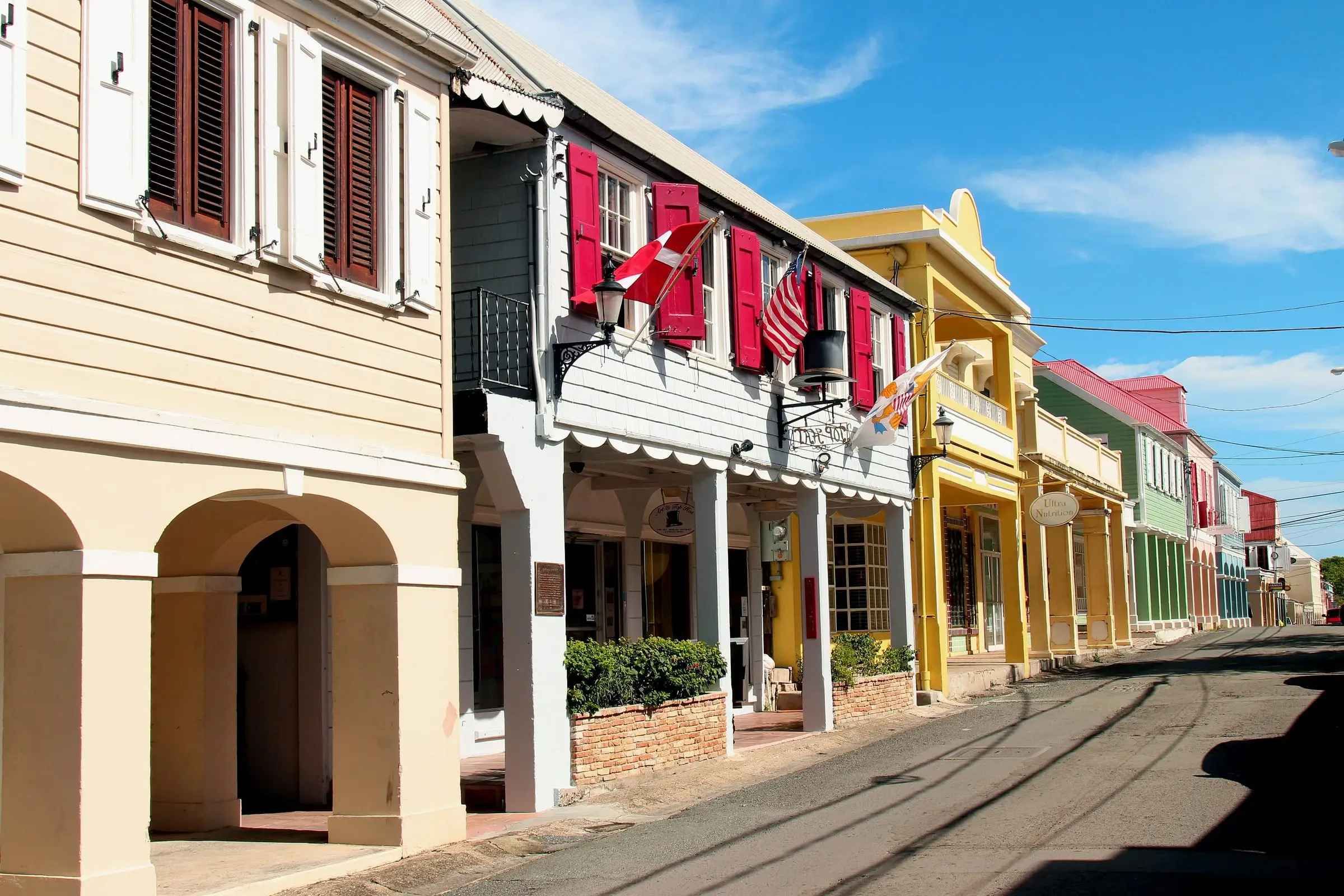
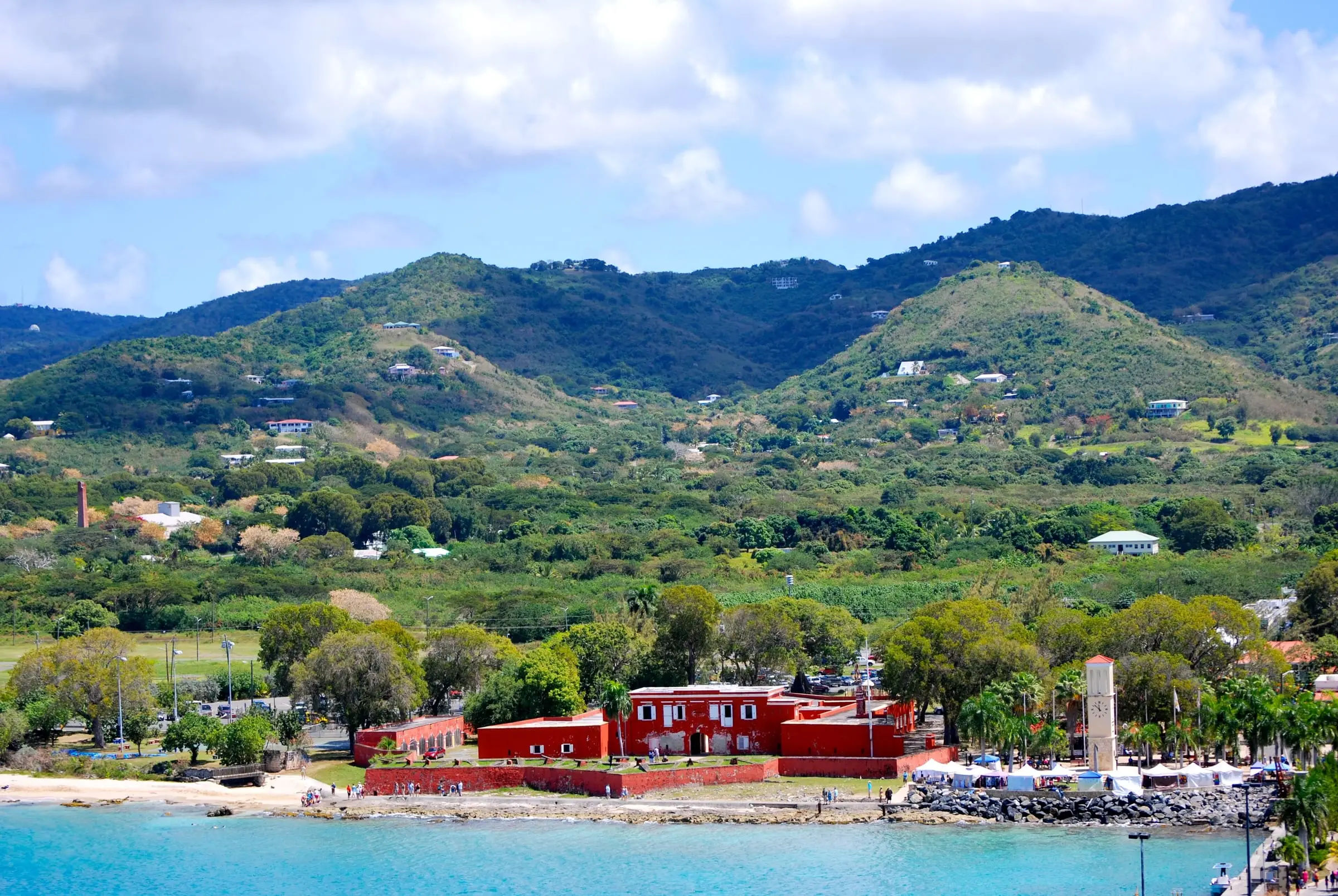
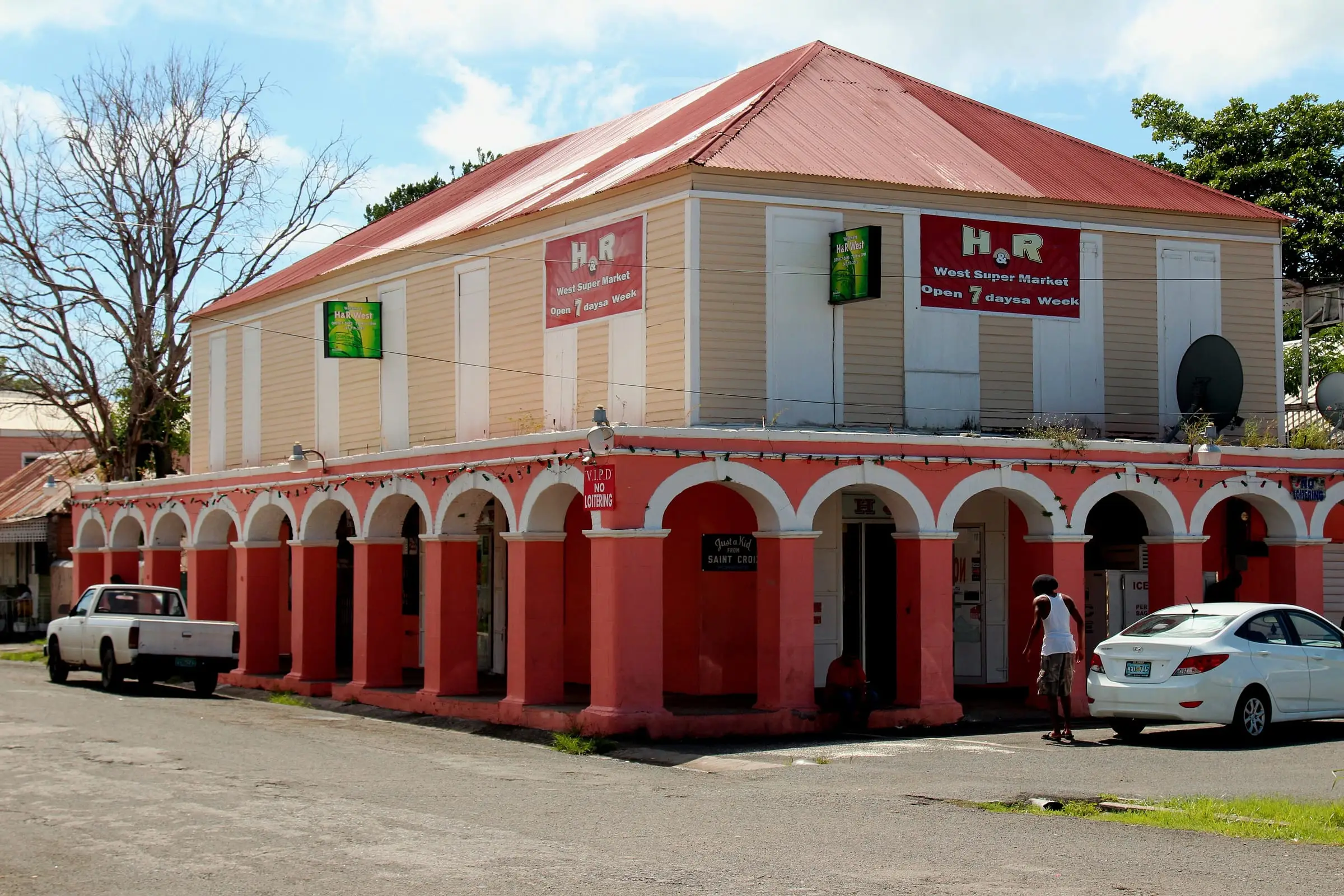
Photo: Matt H. Wade, CC BY-SA 3.0
Photo: CaptJayRuffins, CC BY-SA 4.0
Questions
How can I check that a real estate agent is licensed?
The Department of Licensing and Consumer Affairs licenses real estate salesmen and brokers through the V.I. Real Estate Commission, and its website links to a License Search tool. Check any licensee before you share financial details or sign an agreement.
Does a standard homeowners policy cover flood?
Usually not. The Division of Banking, Insurance and Financial Regulation's flood brochure says flood is not typically covered by most standard homeowners and renters policies. Flood insurance is separate coverage, bought through an agent or insurer that participates in the National Flood Insurance Program or, in some cases, from a private insurer.
What is a sales valuation affidavit?
The Office of the Lieutenant Governor's recording requirements say each new deed must have an original Sales Valuation Affidavit attached, signed and notarized in the presence of two witnesses, that states the actual sales price. Your attorney can explain how it fits into your closing.
Does USVI Realty represent buyers on St. Croix?
No. USVI Realty is an educational resource, not a real estate brokerage. We do not represent buyers or sellers, negotiate, or give legal, tax or investment advice. For a specific property, work with the licensed professionals listed in this guide.
Sources
- 2020 Island Areas Censuses: U.S. Virgin Islands Demographic Profile Summary File, U.S. Census Bureau (accessed October 28, 2026). St. Croix Island figures for value (tables vi114 and vi115), units in structure, year built, source of water and sewage disposal.
- 2020 Island Areas Censuses Demographic Profile Summary File: Technical Documentation, U.S. Census Bureau (accessed October 28, 2026). Definitions of value (the owner's estimate) and source of water.
- TIGER/Line Shapefiles: Estate series metadata, U.S. Census Bureau (accessed October 28, 2026)
- Christiansted and Frederiksted Historic District Boundaries, Virgin Islands State Historic Preservation Office (accessed October 28, 2026)
- Application for Change within the St. Croix Historic and Architectural Control Districts, Virgin Islands State Historic Preservation Office (accessed October 28, 2026)
- Division of Permits, Virgin Islands Department of Planning and Natural Resources (accessed October 28, 2026)
- Permits: Frequently Asked Questions, Virgin Islands Department of Planning and Natural Resources (accessed October 28, 2026)
- Flood Plain Information and Advisory Maps, Virgin Islands Department of Planning and Natural Resources (accessed October 28, 2026)
- Coastal Zone Permitting, Virgin Islands Department of Planning and Natural Resources (accessed October 28, 2026)
- Risk Reduction: Virgin Islands, Federal Emergency Management Agency (accessed October 28, 2026)
- Recorder of Deeds, Office of the Lieutenant Governor, U.S. Virgin Islands (accessed October 28, 2026)
- Recording Requirements, Office of the Lieutenant Governor, U.S. Virgin Islands (accessed October 28, 2026)
- Office of the Tax Assessor, Office of the Lieutenant Governor, U.S. Virgin Islands (accessed October 28, 2026)
- Office of the Tax Collector, Office of the Lieutenant Governor, U.S. Virgin Islands (accessed October 28, 2026)
- Homestead Tax Credit Requirements, Office of the Lieutenant Governor, U.S. Virgin Islands (accessed October 28, 2026)
- GIS Program and Street Addressing Initiative, Office of the Lieutenant Governor, U.S. Virgin Islands (accessed October 28, 2026)
- Banking, Insurance and Financial Regulation, Office of the Lieutenant Governor, U.S. Virgin Islands (accessed October 28, 2026)
- Bulletin 2023-02: Availability of Windstorm Insurance Coverage in the Territory, Division of Banking, Insurance and Financial Regulation (accessed October 28, 2026)
- Flood Insurance Brochure, Division of Banking, Insurance and Financial Regulation (accessed October 28, 2026)
- Real Estate Commission: Licensing Requirements, Virgin Islands Department of Licensing and Consumer Affairs (accessed October 28, 2026)
- Architects, Engineers and Land Surveyors: Licensing Requirements, Virgin Islands Department of Licensing and Consumer Affairs (accessed October 28, 2026)
- Department of Licensing and Consumer Affairs, Virgin Islands Department of Licensing and Consumer Affairs (accessed October 28, 2026)
- St. Croix Water, Virgin Islands Water and Power Authority (accessed October 28, 2026)
- Tropical Cyclone Report: Hurricane Maria (AL152017), NOAA National Hurricane Center (accessed October 28, 2026)