




Long-Term Rentals in the USVI
Renting, updated October 29, 2026
Long-term leases and vacation rentals on St. Thomas, St. Croix and St. John: what to check before you sign, the questions to ask a landlord and why renting first can help.
Last updated October 28, 2026

Whether you plan to stay for a week or a few years, renting is a practical way to get to know an island. This page explains the difference between long-term and vacation rentals, what to check before you sign and the questions worth asking a landlord.
USVI Realty does not list rentals or represent landlords or tenants. We publish research to help you rent with fewer surprises.
The length of your stay shapes the price, the paperwork and the taxes.
Vacation rentals. The territory’s hotel room tax is not only for hotels. The Bureau of Internal Revenue (BIR) says it applies to anyone who rents an apartment, condominium or residence when the total rental period is less than 90 days. The host or other lessor collects it, so ask whether a quoted price includes the tax. The Federal Trade Commission also advises getting a copy of the contract before you send any deposit for a vacation rental.
Estimate as of October 2026. The BIR’s Tax Structure Booklet describes the hotel room tax as 12.5 percent of the gross room rate, which includes added charges such as an energy surcharge. Confirm the current rate with the BIR.
Long-term rentals. A lease for a longer stay is a different kind of agreement. Utilities, repairs, deposits and storm duties should all be spelled out in writing before you sign.
Get every promise in writing. Before you sign, confirm:
Before you move in, walk through the unit with the landlord, note any damage in writing and take dated photos. That record helps when it is time to discuss the deposit.
This page does not cover USVI landlord and tenant law. If something in a lease concerns you, ask a real estate attorney before you sign.
Ask which utilities are included, whose name each account is in and whether the unit has its own electric meter. The Virgin Islands Water and Power Authority (WAPA) supplies electricity and also sells water, but many homes rely on a cistern.
Estimate as of October 2026. A January 2024 guide from the Department of Planning and Natural Resources (DPNR) and the U.S. Environmental Protection Agency estimates that about 90 percent of USVI homes have active cisterns that collect rainwater as their potable water supply. The guide also cites a 2019 Department of Health study that found E. coli in 80 percent of samples taken directly from cisterns.
If the unit has a cistern, ask how large it is, when it was last cleaned and disinfected, how the water is treated and who pays for a truck delivery if it runs low. The same guide suggests keeping a separate emergency supply of about 1 gallon per person per day, ideally enough for two weeks and at least enough for three days.
The Atlantic hurricane season runs from June 1 to November 30. NOAA’s National Hurricane Center puts the peak on September 10, with most activity between mid-August and mid-October. Ask the landlord:
Sign up for Alert VI, the emergency alert service from the Virgin Islands Territorial Emergency Management Agency (VITEMA), which sends alerts by call, text and email. VITEMA also advises keeping any generator at least 20 feet from windows and doors and never running one indoors.
Consider renters insurance for your belongings, and ask whether the lease requires it. FEMA notes that most standard renters policies do not cover flooding, and the National Flood Insurance Program offers coverage to renters as well as owners. New flood policies typically take 30 days to go into effect. The Division of Banking, Insurance and Financial Regulation suggests keeping a home inventory and storing your insurance information somewhere safe.
If you have a pet, get the pet policy in writing, including any deposit, fees, size limits and rules for shared spaces. Plan for storms too. VITEMA suggests a pet kit with at least three days of food and water, medications, a carrier or leash and current photos.
Bring this list to every viewing:
The Federal Trade Commission warns that scammers copy real listings and pose as owners, often claiming to be out of the country so they cannot show the property. Its advice:
If you are thinking about buying, renting first lets you test an island before you commit. Spend time in different areas, and in different seasons if you can. Notice the drive to work, the roads, the noise and how the water and power hold up.
Start with our island guides: St. Thomas, including Charlotte Amalie and Red Hook and the East End; St. Croix, including Christiansted and Frederiksted; and St. John, including Cruz Bay and Coral Bay. Our guides to living on St. Thomas, St. Croix and St. John cover daily life. When you are ready, our buying hub explains the next steps.
Our directory lists property managers, along with utilities and government offices. If a broker or manager is involved, check any license they hold with the online license search from the Department of Licensing and Consumer Affairs (DLCA). DLCA’s Consumer Affairs division also takes formal complaints against businesses.
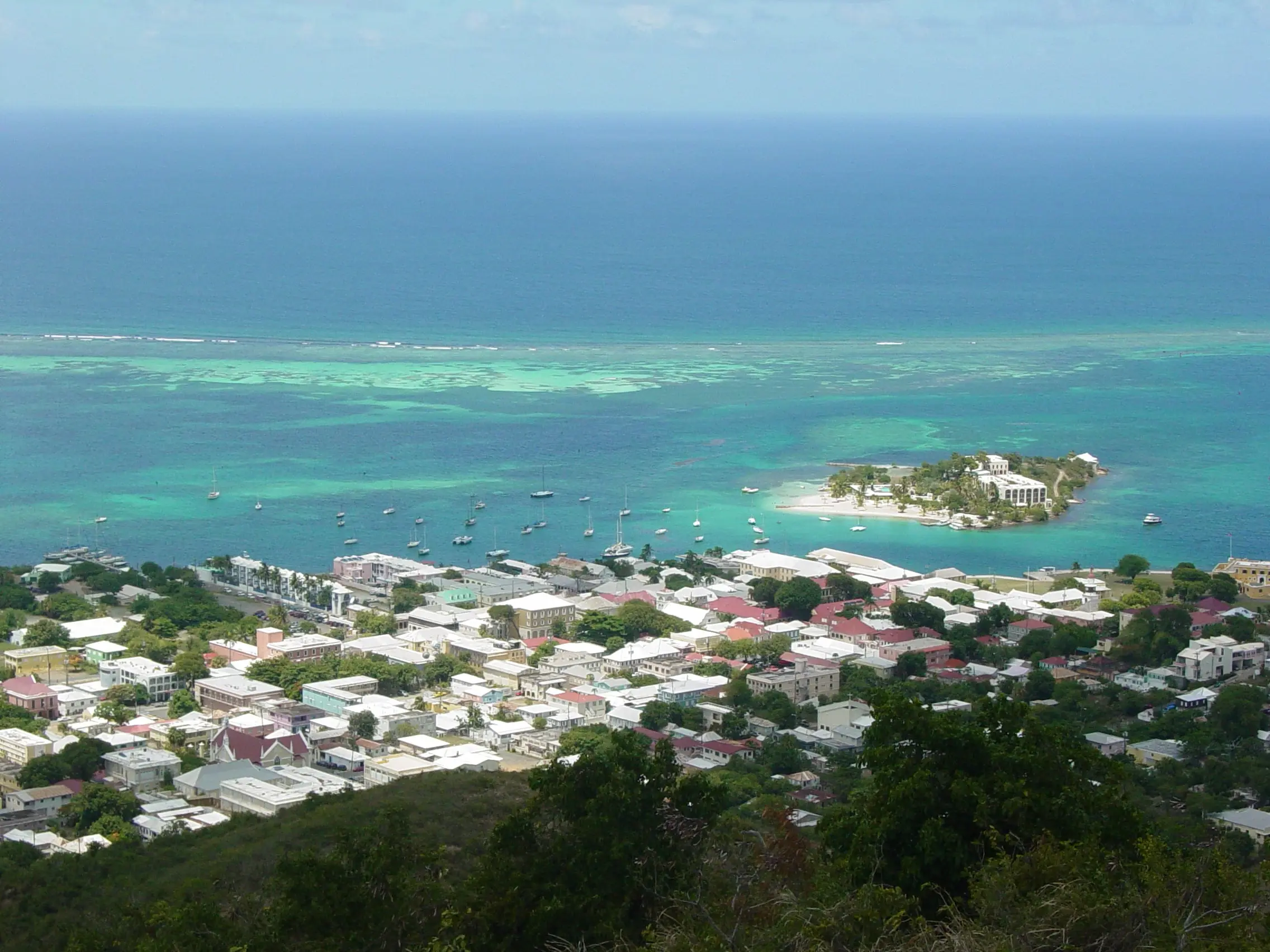
Photo: Jason P. Heym, CC BY-SA 3.0

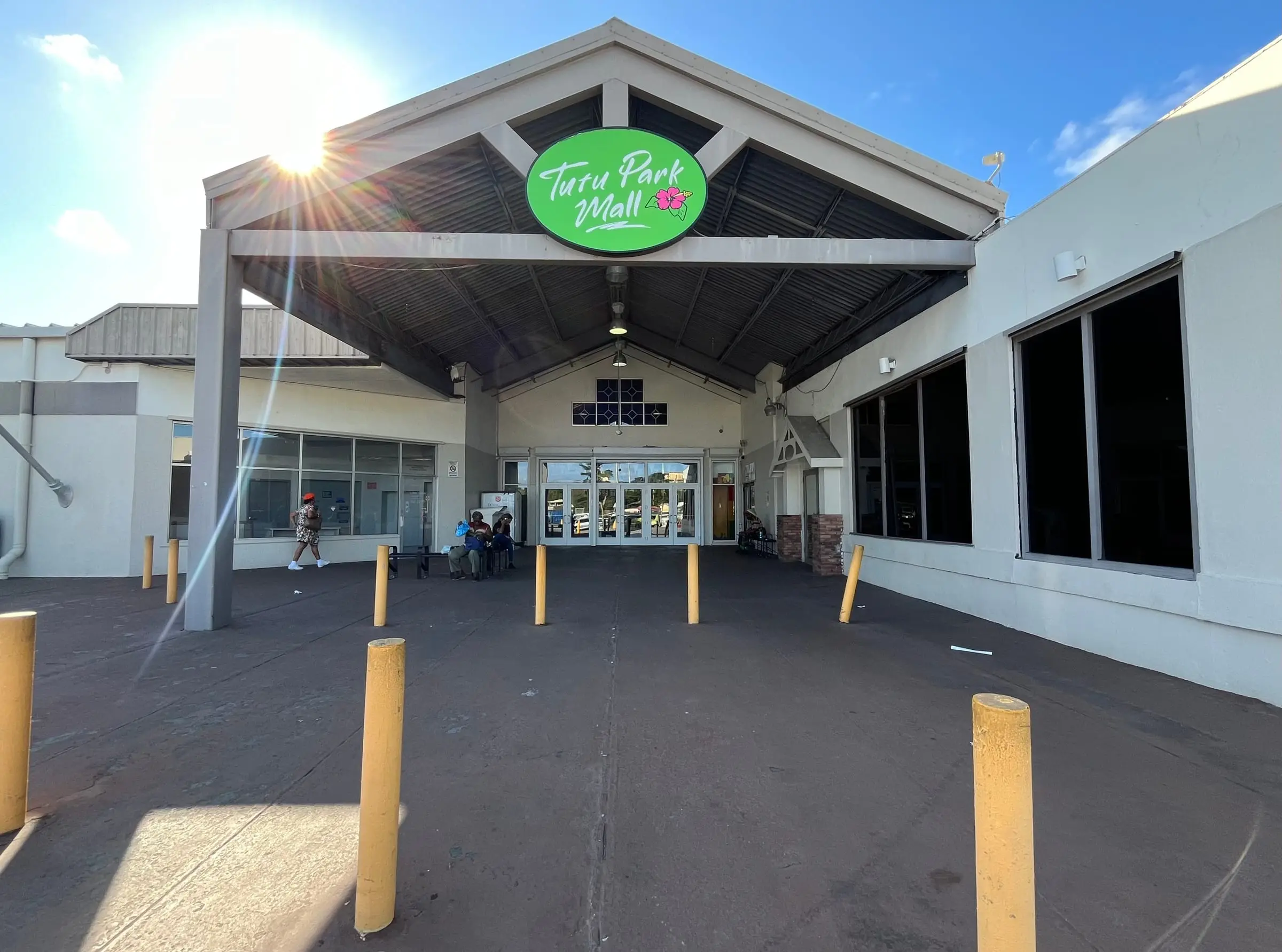
Photo: Navin75, CC BY-SA 2.0
No. USVI Realty does not list rentals or represent landlords or tenants. We publish research to help you ask better questions. Our directory lists property managers you can contact directly.
Yes. The Bureau of Internal Revenue says the hotel room tax applies when an apartment, condominium or residence is rented for less than 90 days in total. The host or other lessor collects it from guests and pays it to the BIR each month.
Usually not. FEMA says most standard homeowners and renters policies do not cover flooding. The National Flood Insurance Program offers coverage to renters, and new policies typically take 30 days to go into effect.
Sign up for Alert VI through the Virgin Islands Territorial Emergency Management Agency (VITEMA). It sends real-time alerts by call, text and email before, during and after a storm.
Renting, updated October 29, 2026
Moving, updated October 29, 2026

Moving, updated October 29, 2026
New renting guides and The USVI Real Estate Insider. Tell us what you are looking for so we write about it.