Skip to content

Buying property in the U.S. Virgin Islands

Where to start if you are thinking about buying in St. Thomas, St. Croix or St. John: choosing an island, property types, the process, costs and the checks that matter here.

Get the free Buyer's Guide

Last updated October 28, 2026

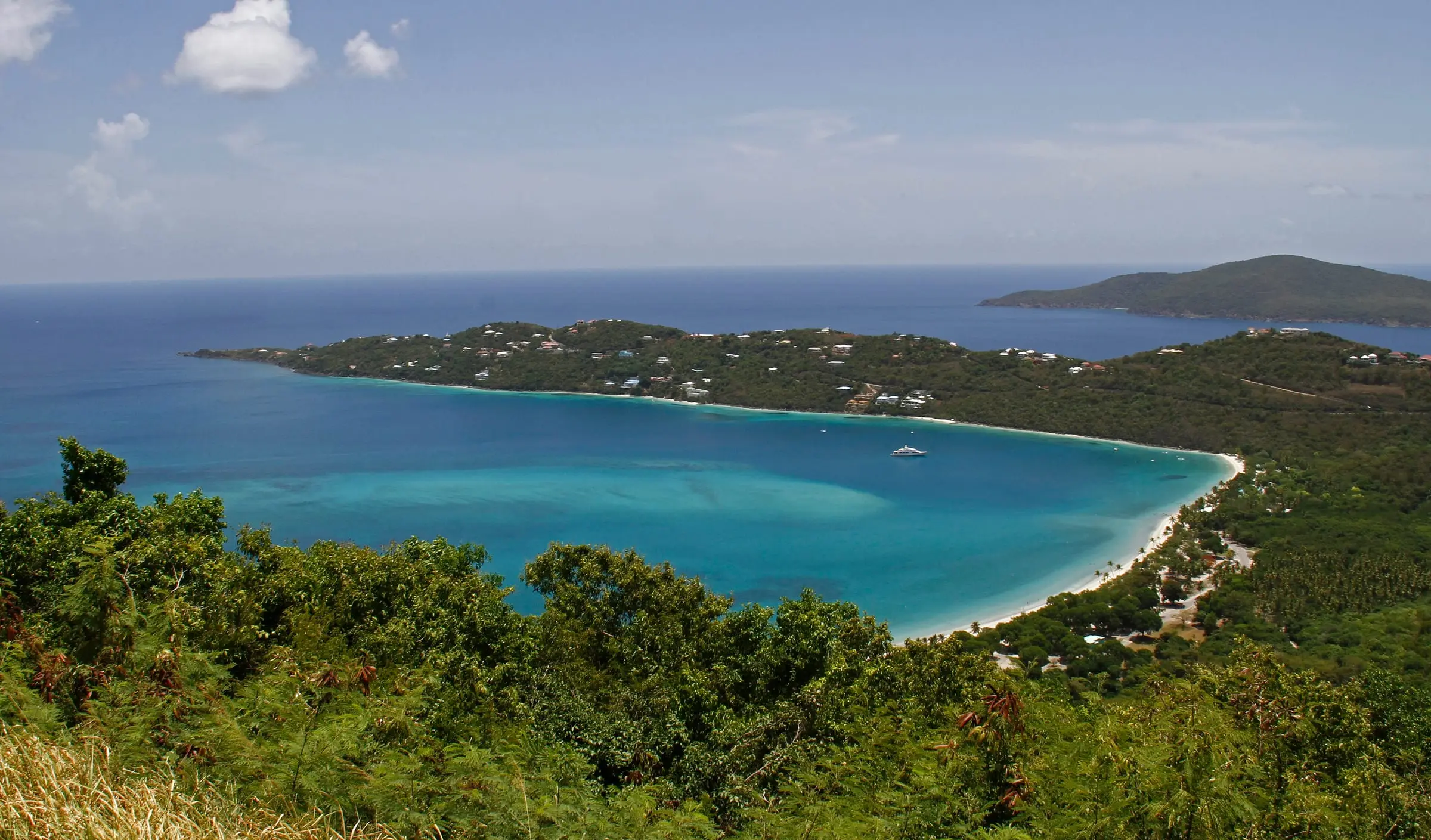
The curved white-sand beach and turquoise water of Magens Bay seen from the hills of St. Thomas

Photo: dbking, CC BY 2.0

USVI Realty is an educational resource, not a real estate brokerage. We do not list properties or represent buyers. This page maps out what to research before you buy, so you can have better conversations with the licensed professionals you hire.

Many steps will look familiar if you have bought on the mainland: an offer, a deposit, inspections, title work and a closing. A few checks matter more here, and they can change what a home costs to own: flood risk, windstorm insurance, water supply and permits.

Choosing an island

Each island has its own towns, pace and housing, so choose the place before the property.

Estimate as of October 2026. The 2020 Census counted 87,146 people in the territory: 42,261 on St. Thomas, 41,004 on St. Croix and 3,881 on St. John.

To compare islands side by side, read St. Thomas vs. St. Croix and St. John vs. St. Thomas. For daily life, see our guides to living on St. Thomas, St. Croix and St. John.

Property types

Each type of property raises its own questions.

  • Condominiums. You own a unit and share the building and grounds through an association. Read the declaration, bylaws, budget and house rules, including what they say about rentals, pets and renovations. See our guide to buying a condo in St. Thomas and our communities section.
  • Single-family homes. The roof, the cistern, storm protection and upkeep are all yours, so inspections and insurance quotes carry extra weight.
  • Land. Building takes permits, and proposed development in the coastal zone also needs Coastal Zone Management review. See our guide to buying property in St. Croix.
  • Multi-unit buildings. These bring extra questions about permits, insurance and whether units may be rented.

Many USVI addresses include an estate name, and the Census Bureau reports population by estate. Our guide to estates explains the term.

The process in brief

Our full guide, Buying property in the USVI, walks through each step. In short:

  1. Plan your budget and financing. If you borrow, the Consumer Financial Protection Bureau suggests requesting Loan Estimates from more than one lender so you can compare offers.
  2. Make a written offer. The Virgin Islands Real Estate Commission’s rules say a sales contract must include a full legal description of the property and all terms, and that licensees should recommend that buyers retain an attorney to review the title and other legal questions.
  3. Pay a deposit. A broker who holds your deposit must keep it in an account at a bank authorized to do business in the territory.
  4. Do your due diligence. Inspection, survey, title review, insurance quotes and the island checks below.
  5. Close and record. If you have a mortgage, your lender must give you the Closing Disclosure three business days before closing. The new deed goes to the Recorder of Deeds in the Office of the Lieutenant Governor, with a notarized Sales Valuation Affidavit that states the actual sales price.

Costs to research

Budget for closing costs and for the ongoing cost of owning. Our guide to the costs of buying property in the USVI goes into detail. Get current figures from the people who charge them:

  • Stamp tax and recording. The territory’s tax system includes a stamp tax. Ask your attorney how it applies to your purchase, who pays it under your contract and what recording will cost.
  • Professional fees. Attorney, title search and title insurance, inspection, survey and, if you borrow, an appraisal.
  • Real property tax. The Office of the Tax Assessor and the Office of the Tax Collector, both part of the Office of the Lieutenant Governor, handle assessments and bills. You can search parcels and tax bills online.
  • Insurance. Homeowners coverage that includes windstorm, plus a separate flood policy.
  • Association costs. Dues and any special assessments.
  • Island upkeep. Cistern cleaning and water testing, storm protection and backup power.

Estimate as of October 2026. The Lieutenant Governor’s office lists a general homestead tax credit of $400 for an owner’s primary residence, with a minimum tax of $180. Confirm current amounts with the Tax Assessor.

Due diligence specific to the islands

Flood zone

FEMA flood maps show how likely an area is to flood. Any place with at least a 1 percent chance of flooding each year is considered high risk, and lenders use the maps to set insurance requirements. Look up the property on FEMA’s Flood Map Service Center. The Department of Planning and Natural Resources (DPNR) also has a floodplain page with advisory maps and a flood hazard tool that covers any USVI location.

Most homeowners insurance does not cover flood damage. Flood insurance is a separate policy, and a new National Flood Insurance Program policy typically takes 30 days to go into effect, so ask for quotes early.

Windstorm insurance

Get insurance quotes before you are committed to a property. In a July 2023 bulletin, the Lieutenant Governor, who also serves as Commissioner of Insurance, said some insurers had left the territory’s market and those remaining were limited in how much coverage they could write. Owners of wooden or mixed-frame homes may face non-renewal or be unable to get coverage from licensed insurers. They may need surplus lines coverage, from insurers that are not licensed in the territory but can still offer policies.

Also ask how the policy treats underinsurance. The Division of Banking, Insurance and Financial Regulation explains that a claim can be reduced if your coverage falls below 80 percent of the home’s replacement cost, and it advises against excluding windstorm coverage.

Water and cisterns

Estimate as of October 2026. A January 2024 guide from DPNR and the U.S. Environmental Protection Agency estimates that about 90 percent of USVI homes have active cisterns that collect rainwater as their potable water supply.

Ask how the property gets its water, how large the cistern is and when it was last drained, cleaned and disinfected. The same guide recommends inspecting a cistern for structural damage every three months and disinfecting it at least every three to five years and after extreme storms. Routine water testing is the owner’s cost.

Permits and the coastal zone

DPNR’s Division of Permits enforces the territory’s building codes and handles plan review and inspections. Ask the seller for permits and inspection records for past construction, and confirm what you can build before you buy land.

Proposed development in the first tier, also called the coastal zone, must be assessed by DPNR’s Coastal Zone Management program. DPNR publishes a map you can use to check whether a parcel is in Tier 1.

The professionals involved

Our directory groups the professionals you are likely to need by role:

Check licenses before you hire. The Department of Licensing and Consumer Affairs (DLCA) licenses real estate brokers and salespersons through the Real Estate Commission and oversees the boards for appraisers and for architects, engineers and land surveyors. Use its online license search to look someone up. Insurance producers, the current term for agents and brokers, are licensed by the Division of Banking, Insurance and Financial Regulation.

Get the free Buyer’s Guide

Our free USVI Real Estate Buyer’s Guide brings these steps together, with questions to ask before you make an offer and a property research checklist.
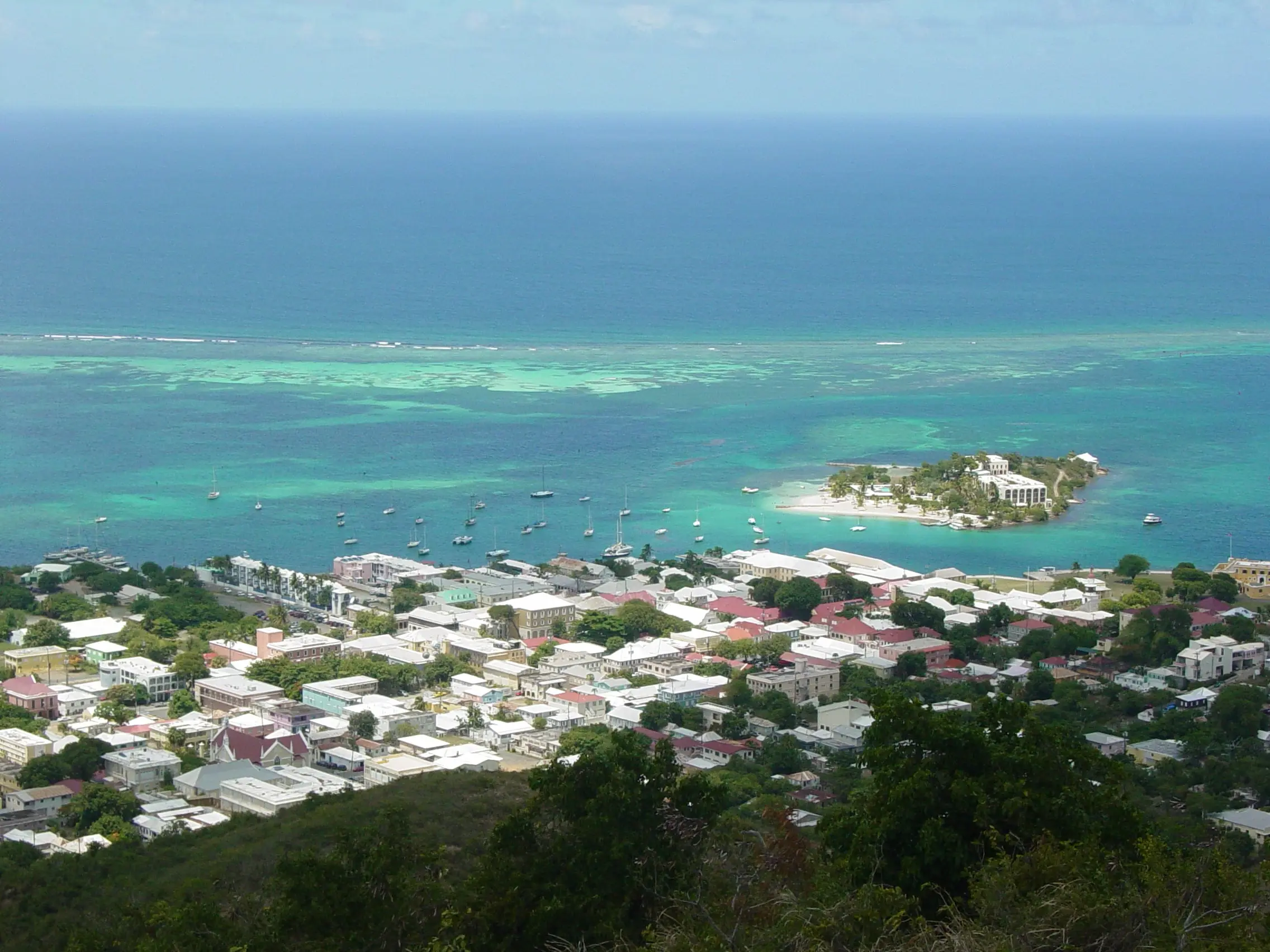
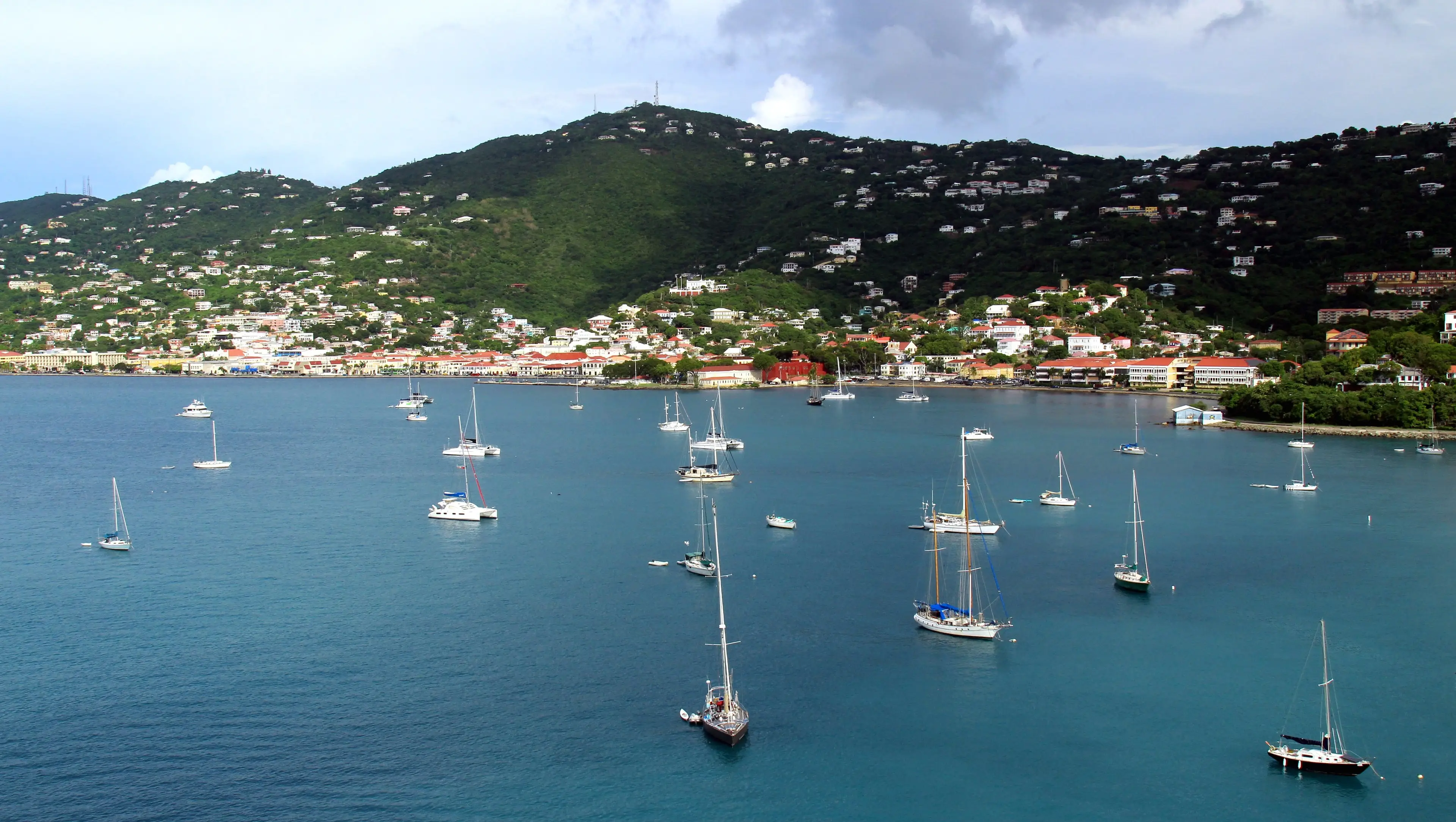
Long Bay, Charlotte Amalie, St. Thomas
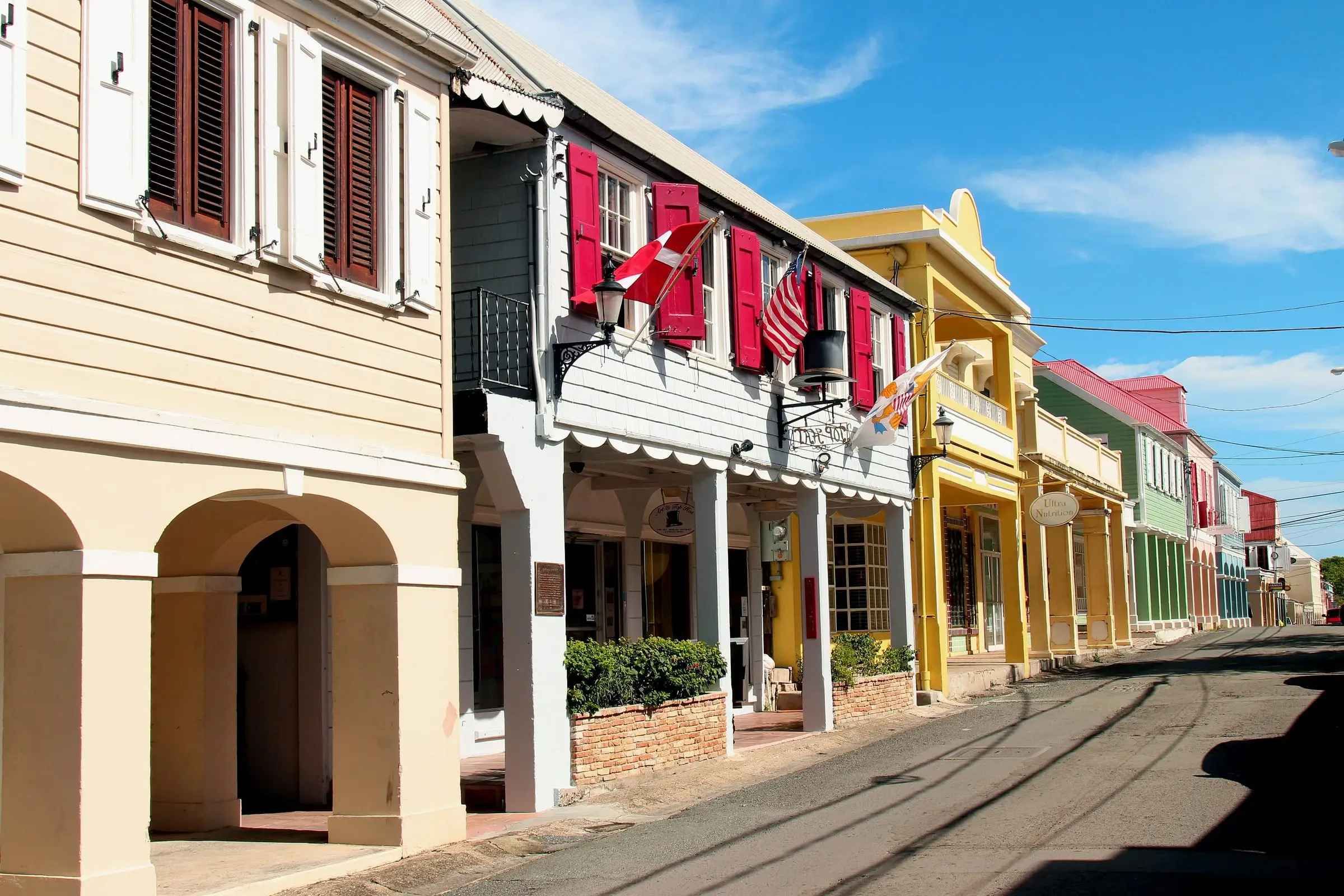
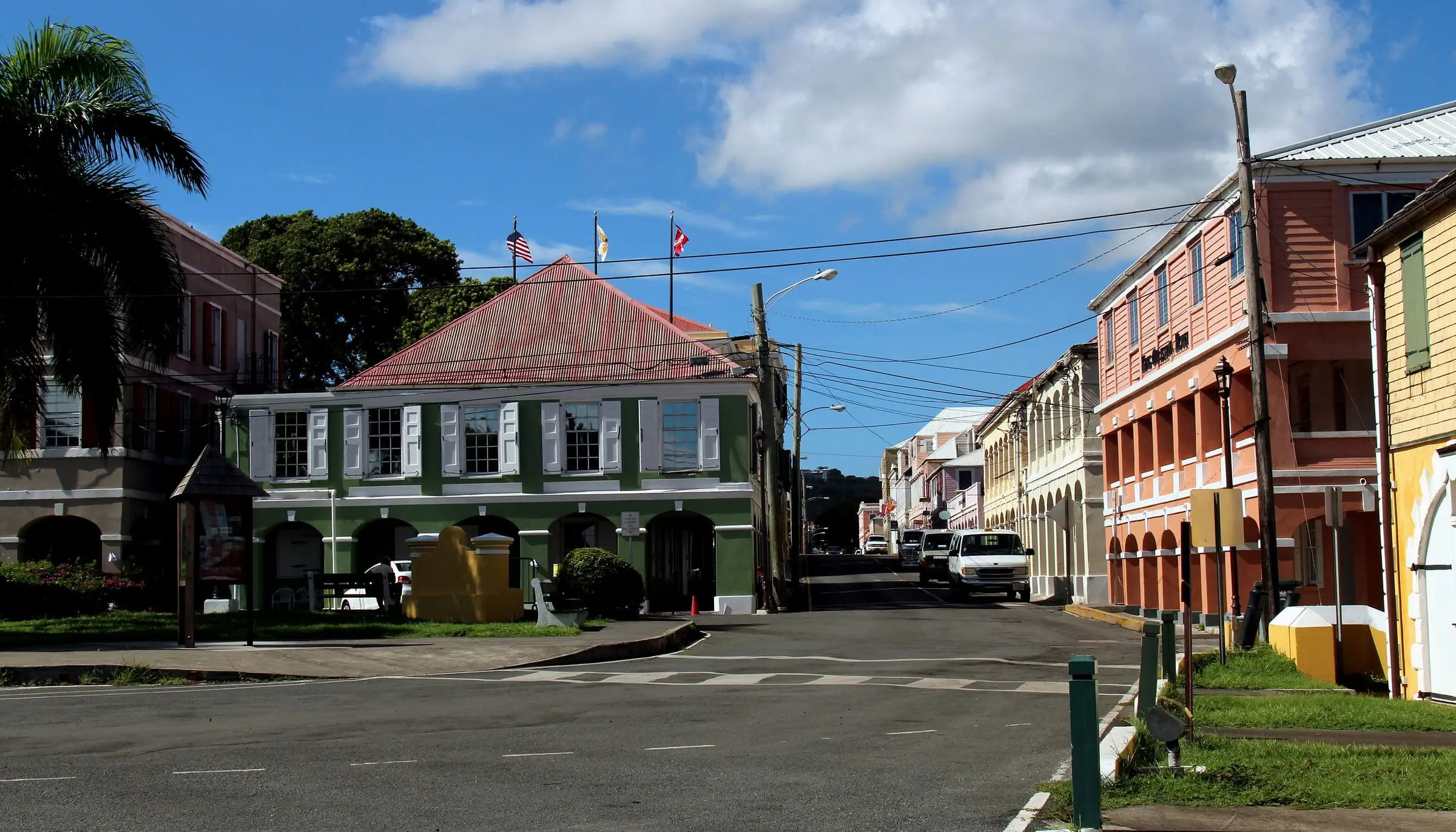
Christiansted, St. Croix
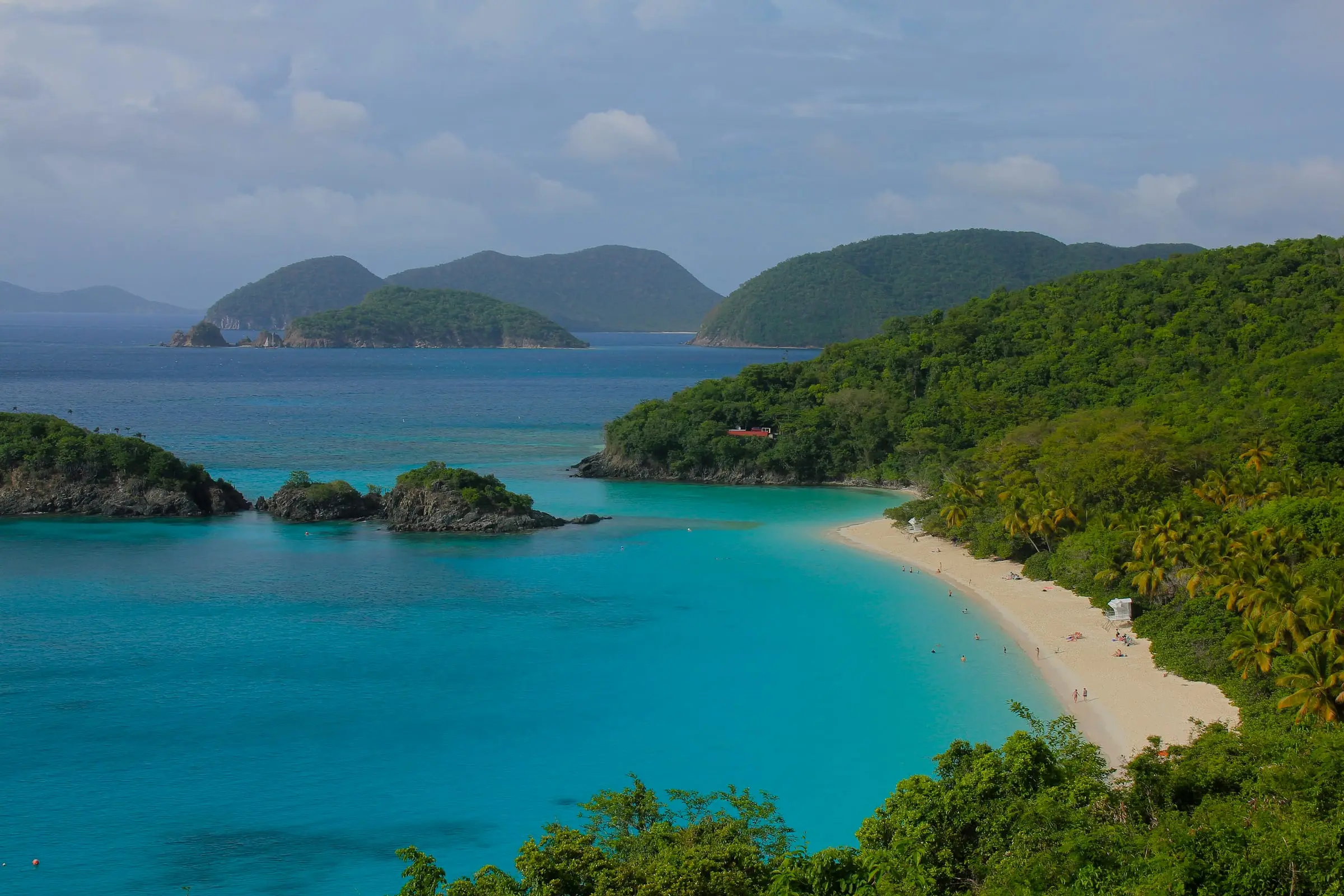
Trunk Bay, St. John

Questions

Does USVI Realty list homes for sale?

No. USVI Realty is an educational resource, not a real estate brokerage. We do not list properties or represent buyers or sellers. Our guides explain what to research so you can work well with the licensed professionals you choose.

How can I check that a real estate agent is licensed?

Use the online license search on the Department of Licensing and Consumer Affairs (DLCA) website. The Virgin Islands Real Estate Commission licenses brokers and salespersons, and its rules require every salesperson to be licensed under a broker.

Does homeowners insurance cover flooding?

Usually not. FEMA notes that most homeowners insurance does not cover flood damage, so flood coverage is a separate policy. A new National Flood Insurance Program policy typically has a 30-day waiting period, so arrange coverage well before you need it.

Is the U.S. Virgin Islands part of the United States?

It is an unincorporated U.S. territory. Virgin Islanders have been U.S. citizens since 1927, and federal oversight of the territory sits with the U.S. Department of the Interior. See our guide on whether U.S. citizens can buy property in the USVI for more.

Sources

  1. 2020 Island Areas Censuses: U.S. Virgin Islands (Tables 1 and 2), U.S. Census Bureau (accessed October 28, 2026). Table 1 gives population by island; Table 2 gives population by estate
  2. Virgin Islands National Park, National Park Service (accessed October 28, 2026)
  3. Virgin Islands National Park: Directions, National Park Service (accessed October 28, 2026)
  4. U.S. Virgin Islands, U.S. Department of the Interior, Office of Insular Affairs (accessed October 28, 2026)
  5. Tax Structure Booklet of the U.S. Virgin Islands, Virgin Islands Bureau of Internal Revenue (accessed October 28, 2026). File name dated 2021-01-31
  6. Virgin Islands Real Estate Commission Rules and Regulations, Department of Licensing and Consumer Affairs (accessed October 28, 2026)
  7. Real Estate Commission licensing requirements, Department of Licensing and Consumer Affairs (accessed October 28, 2026)
  8. Real Estate Appraisers licensing requirements, Department of Licensing and Consumer Affairs (accessed October 28, 2026)
  9. Architects, Engineers and Land Surveyors licensing requirements, Department of Licensing and Consumer Affairs (accessed October 28, 2026)
  10. Loan Estimate explainer, Consumer Financial Protection Bureau (accessed October 28, 2026)
  11. Closing Disclosure explainer, Consumer Financial Protection Bureau (accessed October 28, 2026)
  12. Recorder of Deeds, Office of the Lieutenant Governor (accessed October 28, 2026)
  13. Recording requirements: Sales Valuation Affidavit and new deeds, Office of the Lieutenant Governor (accessed October 28, 2026)
  14. Office of the Tax Assessor, Office of the Lieutenant Governor (accessed October 28, 2026)
  15. Office of the Tax Collector, Office of the Lieutenant Governor (accessed October 28, 2026)
  16. Homestead Tax Credit Requirements, Office of the Lieutenant Governor (accessed October 28, 2026)
  17. Flood maps, Federal Emergency Management Agency (accessed October 28, 2026)
  18. Flood insurance, Federal Emergency Management Agency (accessed October 28, 2026)
  19. Flood Plain Information and Advisory Maps, Department of Planning and Natural Resources (accessed October 28, 2026)
  20. Bulletin 2023-02: Availability of Windstorm Insurance Coverage in the Territory, Office of the Lieutenant Governor, Division of Banking, Insurance and Financial Regulation (accessed October 28, 2026). Dated July 7, 2023
  21. How to Avoid Being Underinsured: A Consumer's Guide, Office of the Lieutenant Governor, Division of Banking, Insurance and Financial Regulation (accessed October 28, 2026)
  22. Banking, Insurance and Financial Regulation, Office of the Lieutenant Governor (accessed October 28, 2026)
  23. Your Health and Cisterns: A USVI Comprehensive Guide, Department of Planning and Natural Resources and U.S. Environmental Protection Agency (accessed October 28, 2026). Dated January 2024
  24. Building Permits (Division of Permits), Department of Planning and Natural Resources (accessed October 28, 2026)
  25. Coastal Zone Permitting, Department of Planning and Natural Resources (accessed October 28, 2026)

The free Buyer's Guide

The buying process, the costs to research and a checklist, as a PDF.

Your download link appears on the next page.

Educational resources only. We never sell your information. Read our privacy policy.